

Boron Carbide (B4C)
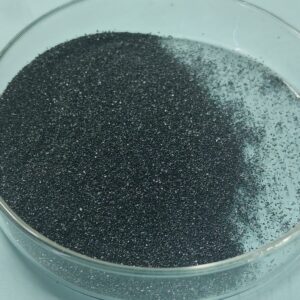
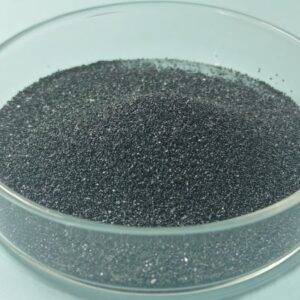
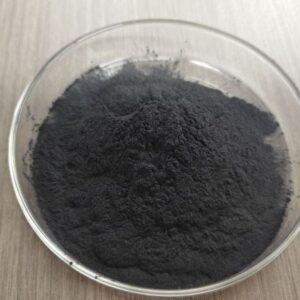
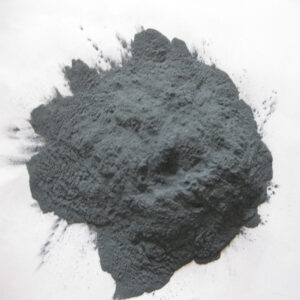
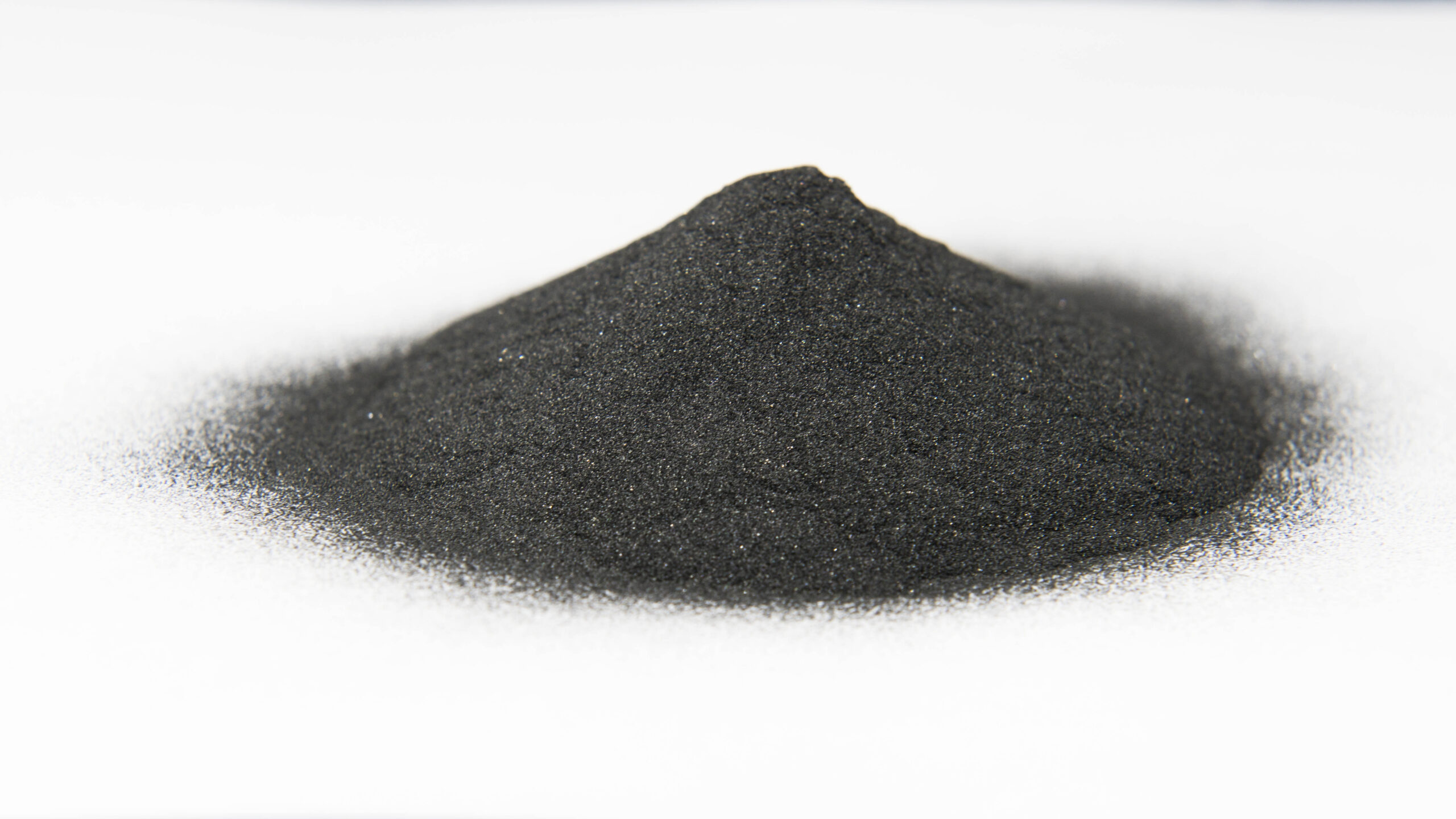
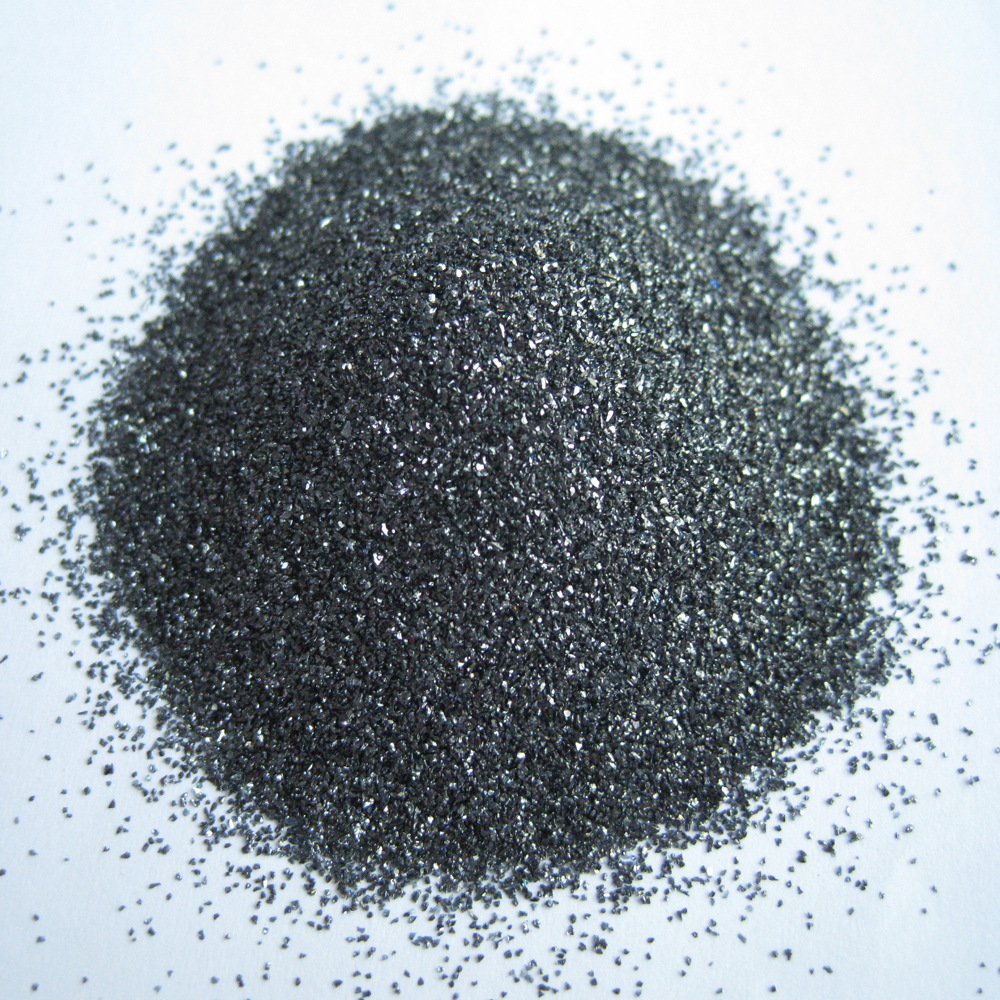
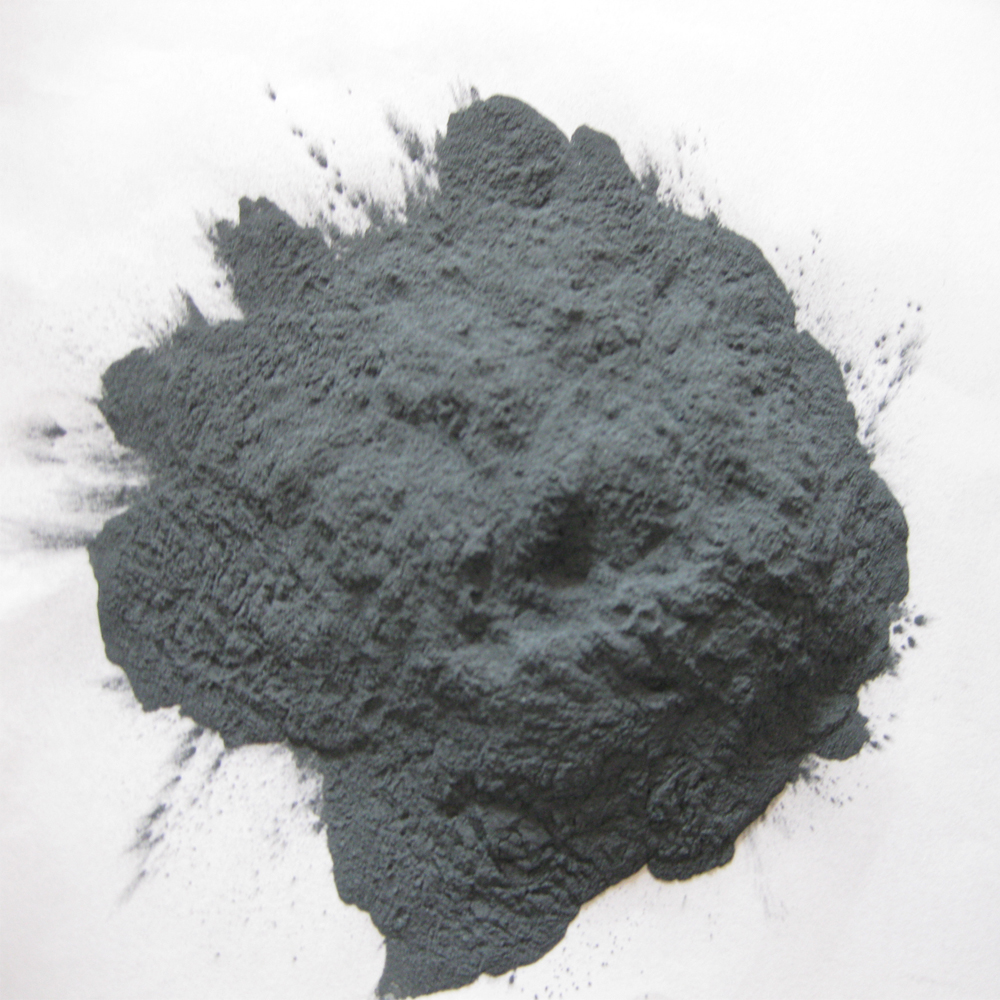
Boron Carbide (B4C) Boron carbide, with the chemical formula B₄C, is an ultra-hard advanced ceramic material widely recognized for its exceptional comprehensive properties. It is manufactured from high-purity boron and carbon raw materials through high-temperature smelting, crushing, purification and precise particle classification. Ranking third in hardness only after diamond and cubic boron nitride, boron carbide features ultra-high hardness, outstanding wear resistance, extreme temperature resistance, excellent chemical inertness and strong neutron absorption capability. It has become an indispensable functional powder for high-temperature sintering, precision abrasives, protective materials, nuclear industry and advanced composite production.
$16,000.00 – $20,000.00 / MT
Description
Boron Carbide (B4C)
PRODUCT: Boron Carbide (B4C) /Boron Carbide
B4C CONTENT: 90-99%
DESCRIPTION-Boron Carbide (B4C)
Boron carbide, with the chemical formula B₄C, is an ultra-hard advanced ceramic material widely recognized for its exceptional comprehensive properties. It is manufactured from high-purity boron and carbon raw materials through high-temperature smelting, crushing, purification and precise particle classification. Ranking third in hardness only after diamond and cubic boron nitride, boron carbide features ultra-high hardness, outstanding wear resistance, extreme temperature resistance, excellent chemical inertness and strong neutron absorption capability. It has become an indispensable functional powder for high-temperature sintering, precision abrasives, protective materials, nuclear industry and advanced composite production.
TYPICAL CHEMICAL ANALISIS [%]-Boron Carbide (B4C)
| Size-Grit | Approx Size(microns) | B% | C% | Fe2O3 | B+C% |
| F60 | 300-250 | 78-81 | 17-22 | 0.2-0.4 | 97-99 |
| F80 | 212-180 | 78-81 | 17-22 | 0.2-0.4 | 97-99 |
| F100 | 150-125 | 78-81 | 17-22 | 0.2-0.4 | 97-99 |
| F120 | 125-106 | 78-80 | 17-22 | 0.2-0.4 | 96-98 |
| F150 | 106-75 | 78-80 | 17-22 | 0.2-0.4 | 96-98 |
| F180 | 75-63 | 78-80 | 17-22 | 0.2-0.4 | 96-98 |
| F230 | 53.0±3.0um | 77-80 | 17-22 | 0.3-0.5 | 96-97 |
| F240 | 44.5±2.0um | 77-80 | 17-22 | 0.3-0.5 | 96-97 |
| F280 | 36.5±1.5um | 77-80 | 17-22 | 0.3-0.5 | 96-97 |
| F320 | 29.2±1.5um | 76-79 | 17-21 | 0.3-0.6 | 95-97 |
| F360 | 22.8±1.5um | 76-79 | 17-21 | 0.3-0.6 | 95-97 |
| F400 | 17.3±1.0um | 75-79 | 17-21 | 0.4-0.8 | 94-96 |
| F500 | 12.8±1.0um | 76-79 | 18-22 | 0.3-0.7 | 94-97 |
| F600 | 9.3±1.0um | 74-78 | 17-21 | 0.4-0.9 | 92-94 |
| F800 | 6.5±1.0um | 74-78 | 17-21 | 0.4-0.9 | 92-94 |
| F1000 | 4.5±0.8um | 75-78 | 18-22 | 0.1-0.8 | 90-94 |
| F1200 | 3.0±0.5um | 75-78 | 18-22 | 0.1-0.8 | 90-94 |
| F1500 | 2.0±0.4um | 75-78 | 18-22 | 0.1-0.8 | 90-94 |
| F2000 | 1.2±0.3um | 75-78 | 18-22 | 0.1-0.8 | 90-94 |
| -325 | -45um | 75-80 | 17-21 | 0.1-0.5 | 95-97 |
PHYSICAL PROPERTIES-Boron Carbide (B4C)
| Molecular Weight (g/mol.) | Theoretical Density (g/cm3) | Melting Point (°C) | Boiling Point (°C) |
| 55.25515 | 2.52 | 2450-2723 | 3500 |
| Specific Heat (cal-mol-c) | Specific Gravity | Knoop Hardness | Crystallography |
| 12.5 | 2.51 | 2750 | Mono-crystalline |
The usages of Boron Carbide (B4C)
Boron carbide (B₄C) is a superior engineering ceramic material with ultra-high hardness, excellent heat resistance, chemical stability and unique neutron absorption performance. Thanks to its comprehensive advantages, it is widely applied in defense, nuclear industry, abrasive processing, advanced ceramics, refractory materials and many other fields.
The defense and security industry is one of its major application areas. With high hardness, low density and strong impact resistance, boron carbide is the preferred material for lightweight bulletproof plates, body armor inserts and military protective components. It can effectively resist the impact of projectiles and fragments while reducing the overall weight of protective equipment. It is also used to manufacture high-strength structural parts for military equipment that need to withstand high temperature and abrasion.
In the nuclear industry, boron carbide plays an irreplaceable role. Rich in boron elements, it has outstanding neutron absorption capacity and low radioactivity. It is mainly made into reactor control rods, radiation shielding boards and nuclear waste protection materials. It can safely control nuclear reaction rates and block harmful radiation, ensuring the safe operation of nuclear facilities.
As a top-grade abrasive, B₄C outperforms common alumina and silicon carbide abrasives. It is processed into grinding powders, polishing pastes and grinding tools for precision machining of hard alloys, ceramics, semiconductor wafers and optical lenses. It delivers fine polishing effect without scratching workpieces, and is ideal for ultra-precision surface treatment.
Boron carbide is also a key raw material for high-temperature refractory materials and functional coatings. Added into ceramic refractory coatings and wear-resistant linings, it greatly improves the material’s resistance to high temperature, molten slag erosion and mechanical scouring. It works well with alumina, silicon carbide and other powders to extend the service life of industrial kilns, high-temperature pipelines and metallurgical equipment.
Besides, it is widely used in advanced sintered ceramics, friction materials and metal smelting. Ultra-fine boron carbide powder acts as an efficient sintering aid to lower sintering temperature and boost product density. It is also used as a deoxidizer and additive in metallurgy to optimize metal performance. With diverse functions and reliable performance, boron carbide remains a high-value functional material across modern industrial sectors.