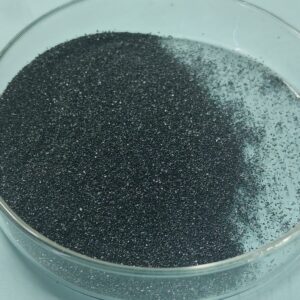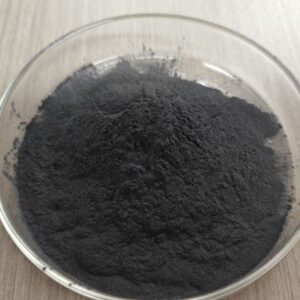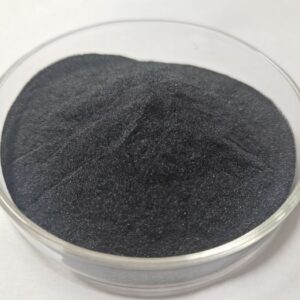


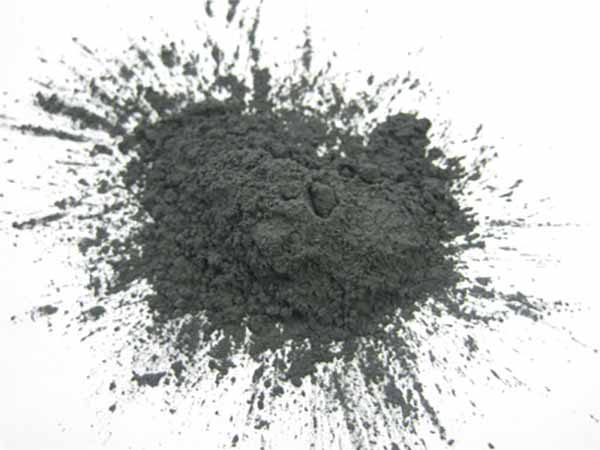
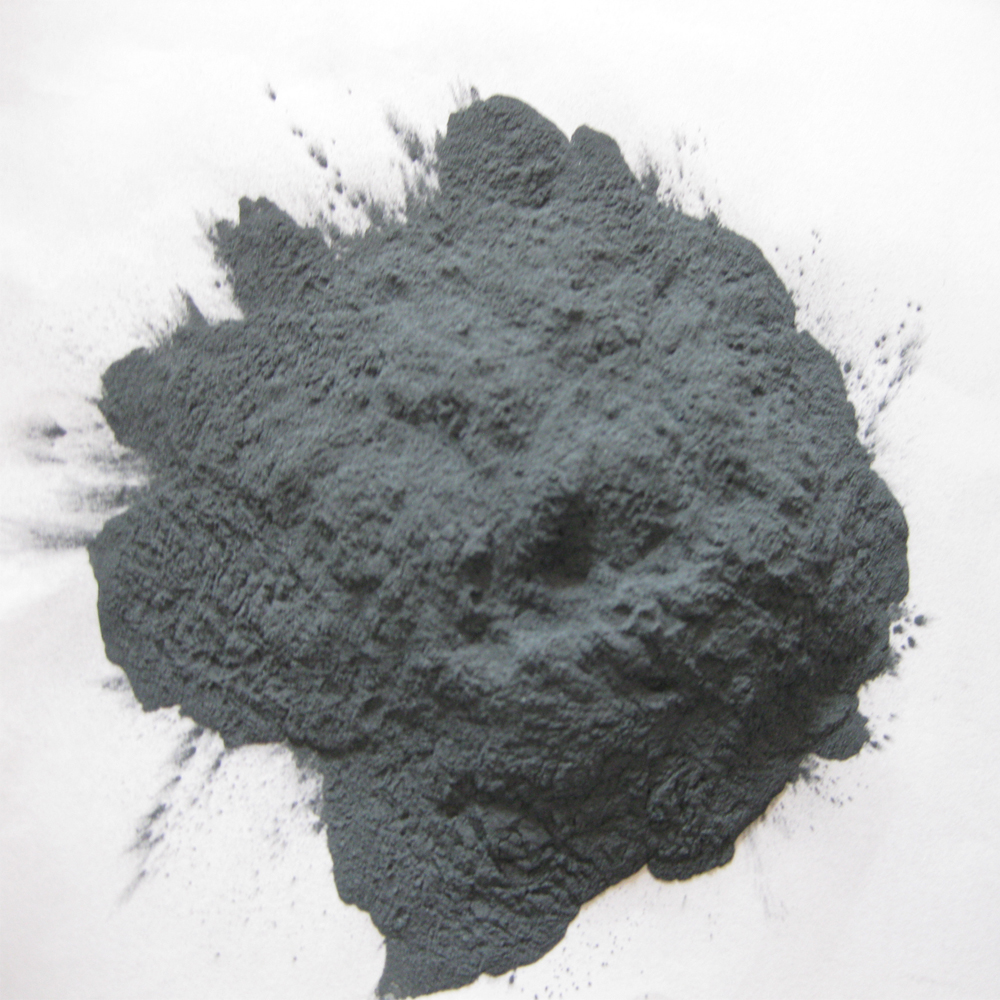
Boron carbide 0.5um for sintering in a high temperature vacuum furnace
Boron carbide 0.5um for sintering in a high temperature vacuum furnace
Boron carbide itself boasts an extremely high melting point up to 2450°C, along with ultra-high hardness and strong anti-oxidation capacity. The 0.5μm fine particle design greatly enhances surface activity and powder fluidity. In a high-temperature vacuum environment, the fine particles can achieve close packing and uniform distribution inside the green body. It effectively lowers the sintering temperature, shortens the holding time and promotes dense crystallization of the material. Compared with conventional coarse boron carbide powder, this ultra-fine grade delivers higher sintering density, fewer internal pores and more stable overall structure after vacuum sintering.
$90,000.00 – $92,000.00 / MT
Description
Boron carbide 0.5um for sintering in a high temperature vacuum furnace
This 0.5 micron boron carbide powder is a high-purity ultra-fine functional raw material specially developed for sintering processes in high temperature vacuum furnaces. Produced via sophisticated crushing, purification and precision classification technologies, the product features an ultra-fine particle size, narrow particle distribution and excellent activity. With outstanding high-temperature resistance, chemical stability and sintering performance, it has become a core additive and base material for manufacturing advanced vacuum-sintered ceramic components, refractory parts and high-performance composite materials.
PHYSICAL PROPERTIES
| Molecular Weight (g/mol.) | Theoretical Density (g/cm3) | Melting Point (°C) | Boiling Point (°C) |
| 55.25515 | 2.52 | 2450-2723 | 3500 |
| Specific Heat (cal-mol-c) | Specific Gravity | Knoop Hardness | Crystallography |
| 12.5 | 2.51 | 2750 | Mono-crystalline |
Boron carbide itself boasts an extremely high melting point up to 2450°C, along with ultra-high hardness and strong anti-oxidation capacity. The 0.5μm fine particle design greatly enhances surface activity and powder fluidity. In a high-temperature vacuum environment, the fine particles can achieve close packing and uniform distribution inside the green body. It effectively lowers the sintering temperature, shortens the holding time and promotes dense crystallization of the material. Compared with conventional coarse boron carbide powder, this ultra-fine grade delivers higher sintering density, fewer internal pores and more stable overall structure after vacuum sintering.