
Boron Carbide for Ceramic
$3,000.00 – $3,200.00 / MT
Boron Carbide for Ceramic
Boron Carbide, or B4C, is an extremely hard ceramic material discovered in 1899. With a Mohs hardness between 9 and 10, boron carbide is one of the hardest synthetic substances known, exceeded only by cubic boron nitride (CBN) and diamond. Besides, it has good chemical inertness and a high neutron absorption cross-section. Thus, it is a suitable material for many high-performance applications, such as anti-oxidant in carbon-bonded refractory mixes, reactor control rods, and neutron-absorbing shielding in nuclear applications.
Boron Carbide Ceramics Properties:
Low thermal conductivity
Susceptible to thermal shock failure
Outstanding hardness
Extremely brittle
Semiconductor
Good thermal-neutron capture
Boron Carbide Powder Properties (Theoretical)
| Compound Formula | CB4 |
| Molecular Weight | 55.26 |
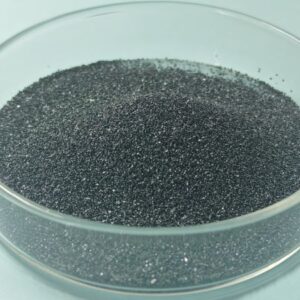
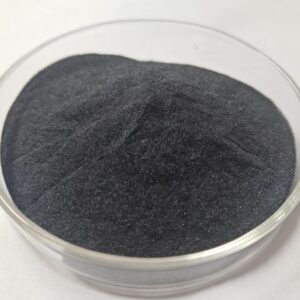
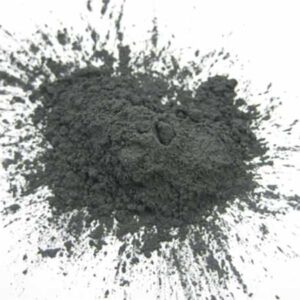
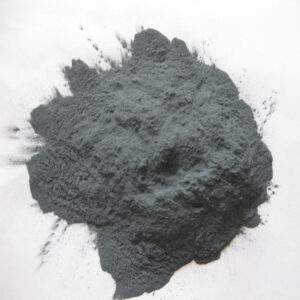
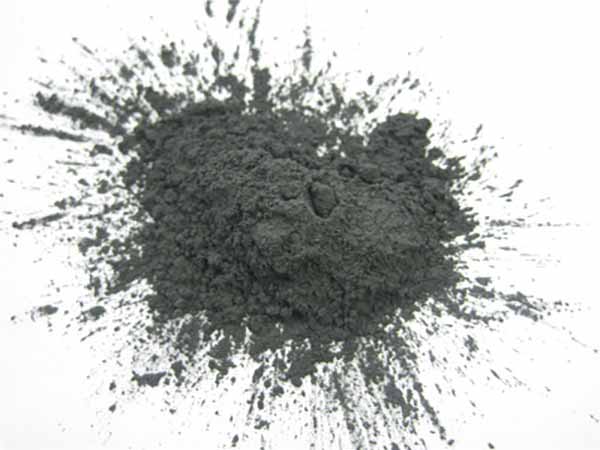
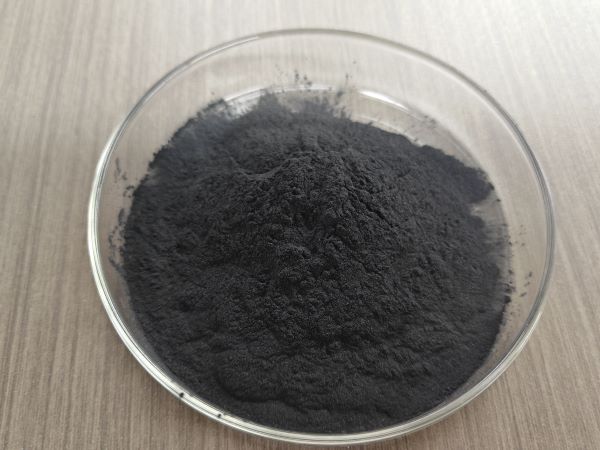
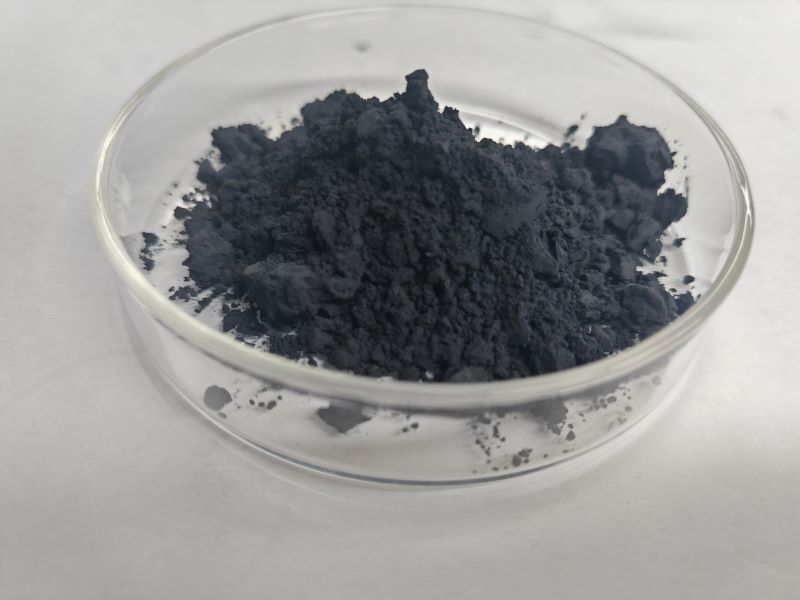
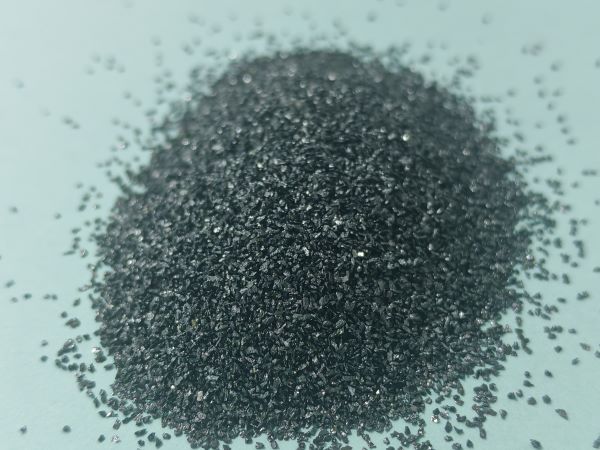
| Appearance | Gray/black solid |
| Melting Point | N/A |
| Boiling Point | N/A |
| Density | 2.1 to 2.7 g/cm3 |
| Solubility in H2O | N/A |
| Electrical Resistivity | 0 to 11 10x Ω-m |
| Poisson’s Ratio | 0.17-0.18 |
| Specific Heat | 950 J/kg-K |
| Tensile Strength | 350 MPa (Ultimate) |
| Thermal Conductivity | 31 to 90 W/m-K |
| Thermal Expansion | 4.5 to 5.6 µm/m-K |
| Vickers Hardness | 26 MPa |
| Young’s Modulus | 240 to 460 GPa |
| Exact Mass | 56.03722 |