


What are the uses of boron carbide?
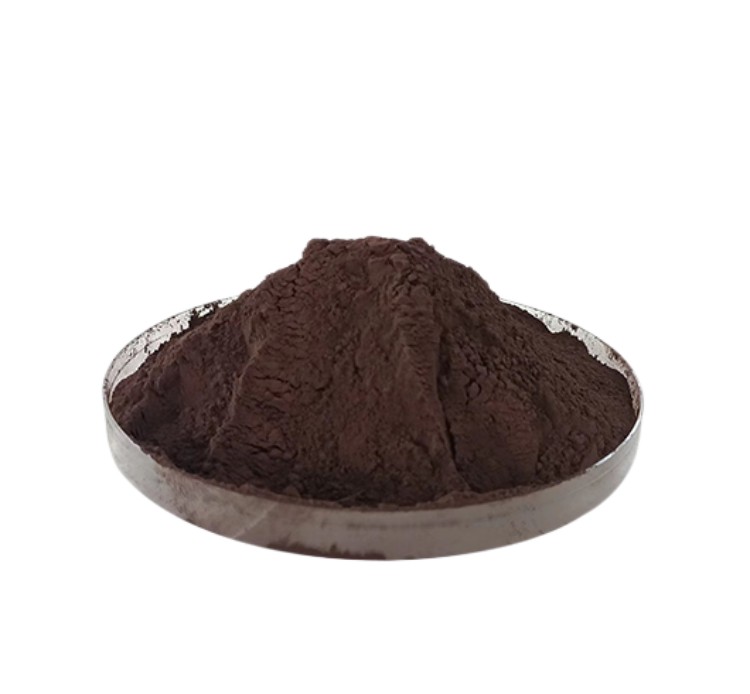
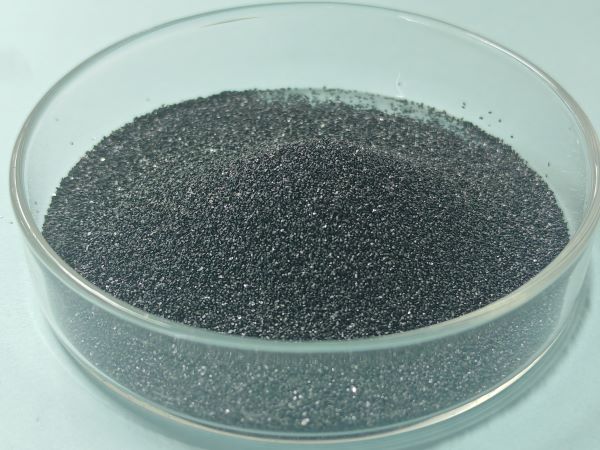
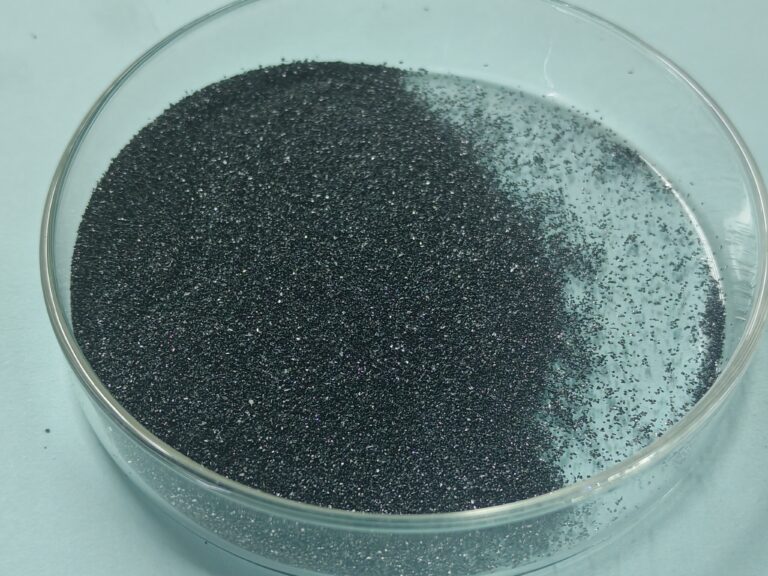
Boron carbide (B₄C) is a premium ultra-hard ceramic material with Mohs hardness of 9.3–9.6, only inferior to diamond and cubic boron nitride. It features low density, excellent wear resistance, stable chemical inertness, high melting point and outstanding neutron absorption capacity. Thanks to this unique combination of physical and chemical characteristics, boron carbide powder and sintered compacts are widely adopted across defense, nuclear energy, precision manufacturing, surface treatment and advanced composite industries.
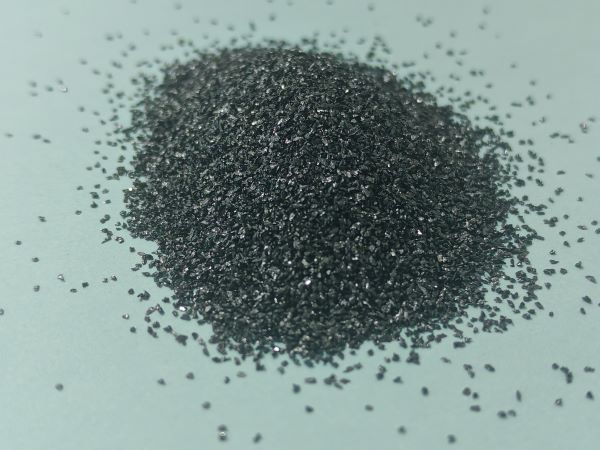
The largest traditional application of boron carbide lies in industrial abrasives and precision processing. Graded boron carbide grits ranging from F36 to F1500 serve as high-performance abrasive media for grinding, lapping and polishing hard brittle materials, including cemented carbide, sapphire optical wafers, advanced ceramics and quartz crystal. It is widely used to produce grinding tools, abrasive pastes and polishing suspensions. In surface finishing, boron carbide powder works as blasting media for precision sandblasting, removing scale, burrs and surface defects without introducing heavy metal contamination. Furthermore, sintered boron carbide is the optimal raw material for manufacturing long-life sandblasting nozzles and waterjet cutting nozzles, which endure continuous impact from abrasive particles under high pressure.
Lightweight ballistic protection represents another vital application field. With a density of merely 2.52 g/cm³, boron carbide is far lighter than alumina and silicon carbide. Hot-pressed boron carbide ceramic tiles are embedded into body armor plates, helicopter protective components and light vehicle armor. The ultra-hard ceramic fractures and dissipates projectile kinetic energy efficiently, providing reliable anti-ballistic performance while significantly reducing equipment weight, improving mobility for personnel and aviation platforms.
In nuclear power facilities, boron carbide functions as a high-efficiency neutron absorber. The boron-10 isotope inside boron carbide captures thermal neutrons effectively and generates no long-lived radioactive residues after neutron capture. It is fabricated into control rods, shutdown rods and shielding panels to regulate nuclear fission rates inside reactors. Mixed into shielding concrete, it also builds radiation protection barriers for nuclear waste storage areas, forming a core safety material for nuclear station operation.
Boron carbide is increasingly applied as functional filler for wear-resistant coatings and composite materials. Added into metal matrix composites, resin coatings and friction materials, it greatly enhances surface hardness, abrasion resistance and corrosion resistance. It can also act as boron source and deoxidizer in metallurgical production to refine metal grain structure and improve alloy mechanical properties. Besides, sintered boron carbide parts are used to manufacture high-temperature bearings, mechanical sealing rings and laboratory wear-resistant utensils that operate under severe corrosive and abrasive conditions.
With continuous progress in advanced manufacturing, boron carbide has expanded into emerging sectors such as semiconductor component processing and aerospace thermal protection materials. Its diverse practical functions make it an irreplaceable superhard material supporting high-end industrial upgrading worldwide.