

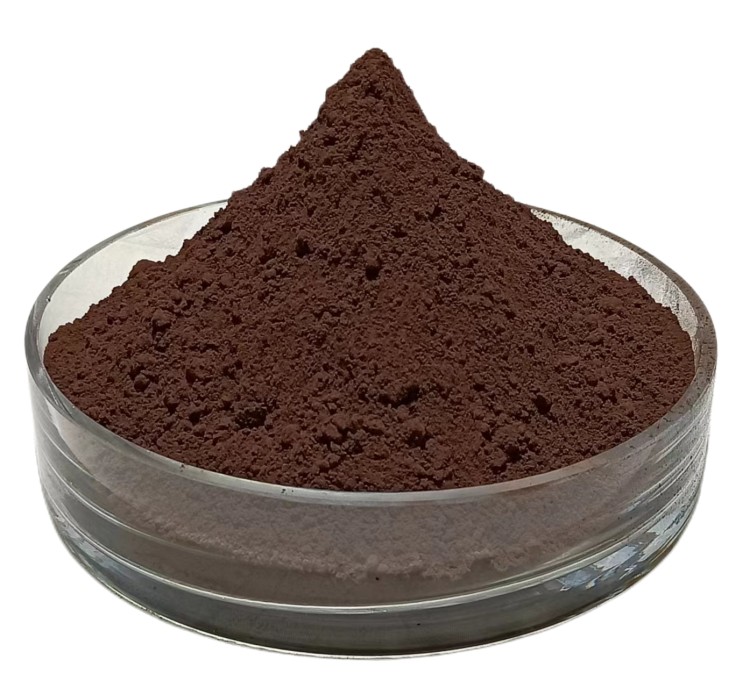
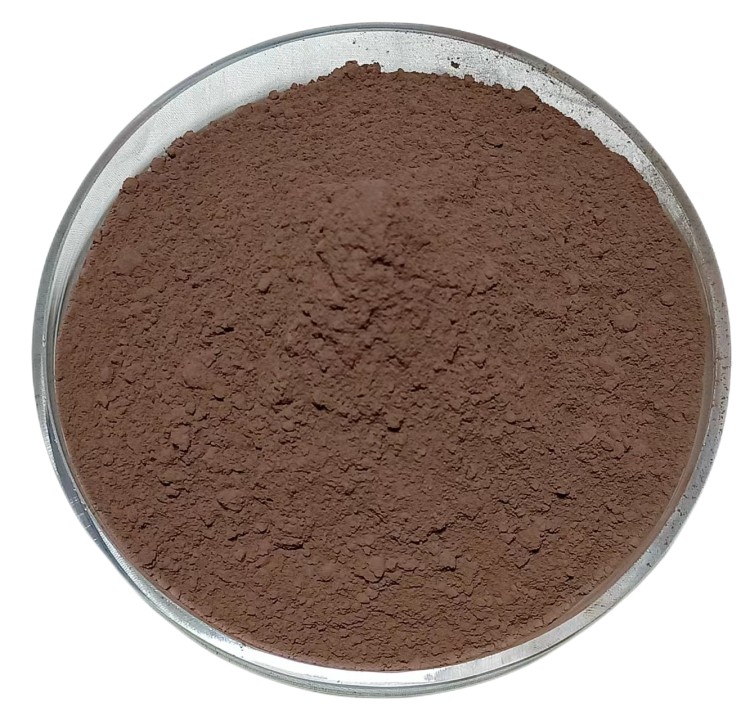
AMORPHOUS BORON POWDER
AMORPHOUS BORON POWDER
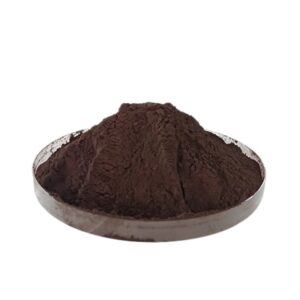
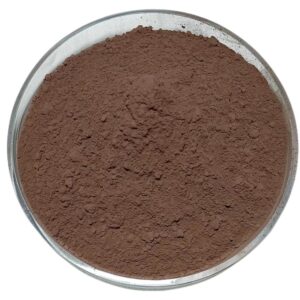
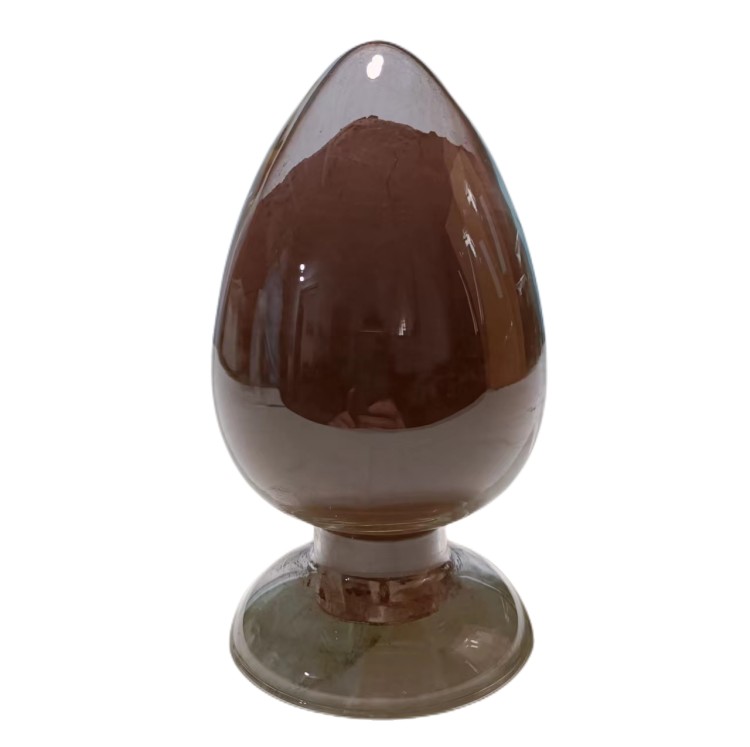
Amorphous boron powder, also known as amorphous boron, non-crystalline boron, or monomeric boron powder, is a type of elemental boron powder with an irregular amorphous structure. It is distinct from hard and regular crystalline boron and is the most commonly used boron raw material in industry, military, refractory coatings, and boron-containing composite materials.
$156,000.00 – $200,000.00 / MT
Description
AMORPHOUS BORON POWDER
Amorphous boron powder, also known as amorphous boron, non-crystalline boron, or monomeric boron powder, is a type of elemental boron powder with an irregular amorphous structure. It is distinct from hard and regular crystalline boron and is the most commonly used boron raw material in industry, military, refractory coatings, and boron-containing composite materials.
Key Features (Biggest Difference from Crystalline Boron)
High Chemical Reactivity: The amorphous, disordered structure contains numerous active sites, resulting in reactivity far exceeding that of crystalline boron. It readily participates in sintering, oxidation, reduction, and curing reactions.
Good Dispersibility: The powder is soft and free of hard agglomerates, making it suitable for various slurries, coatings, and sintering systems.
High Purity: Mainstream industrial purity is 90%–99%, with low impurities that do not affect the performance of high-temperature materials.
Main Applications-AMORPHOUS BORON POWDER
Ceramic Refractory Coatings: Added to alumina and silicon carbide coatings to enhance high-temperature oxidation resistance, erosion resistance, and ablation resistance.
Military and High-Energy Materials: Used as a high-energy fuel additive, igniter, and propellant additive.
Metallurgical Industry: Deoxidation, degassing, alloy modification, and refinement of metal grains.
Fine Ceramics and Sintering Aids: Reduces ceramic sintering temperature and increases density and bonding strength.
Nuclear Industry: Possesses neutron absorption properties and is used in protective shielding materials.
Currently, the amorphous boron powder widely used in the boron powder market is mainly crude boron with a high impurity content produced by the magnesian thermal reduction method. The magnesian thermal reduction method is simple, has a high yield, and relatively low cost. Because standards vary greatly across different fields, the definition of “amorphous boron powder” is not entirely consistent.
Amorphous Non-crystalline Boron
- Based on the specific gravity of boron, it is divided into amorphous boron and crystalline boron. Amorphous boron has a specific gravity below 1.73 g/cm³.
- The widely used amorphous boron is formed by reduction at around 1000℃, of which 60% is α-rhombic crystalline boron,And 40% is amorphous boron, a mixture of crystalline and amorphous.
- Due to its small particle size and uniform distribution, amorphous boron has high activity.
| ITEM | B90 | B95 | B99 | B99.9 |
| B | 90-95 | 95-99 | 99-99.9 | 99.9MIN |
| O | 3.0 MAX | 2.5MAX | 1.0MAX | 0.01MAX |
| MG | 5.0 MAX | 2.0MAX | 0.1MAX | 0.01MAX |