

The Uses of Boron Carbide and Boron Powder in Neutron Shielding
Boron-based materials are the core functional fillers for modern neutron shielding, relying on the strong neutron capture capability of boron‑10 isotope. Boron carbide powder and amorphous boron powder are two mainstream products widely adopted in nuclear, radiation detection, aerospace and medical radiation protection fields, with differentiated performance and application scenarios.
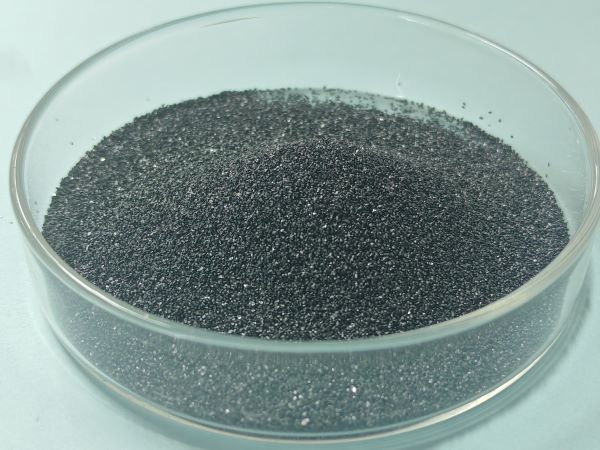
The working principle originates from the nuclear capture reaction of ¹⁰B. When thermal neutrons hit boron‑10 nuclei, stable capture occurs and generates alpha particles and lithium‑7 without producing long‑lived radioactive by-products, which makes boron far safer than traditional cadmium shielding materials. Boron carbide (B₄C) features high boron content, excellent thermal stability, great chemical inertness and high mechanical hardness. It can withstand high temperature and irradiation environments, so it is the preferred material for reactor control rods, burnable poison pellets, spent fuel storage containers and fixed shielding panels. It is commonly sintered into ceramic blocks or blended into aluminum alloy, polyethylene and concrete composites to manufacture rigid shielding components for nuclear power plants and nuclear laboratories.
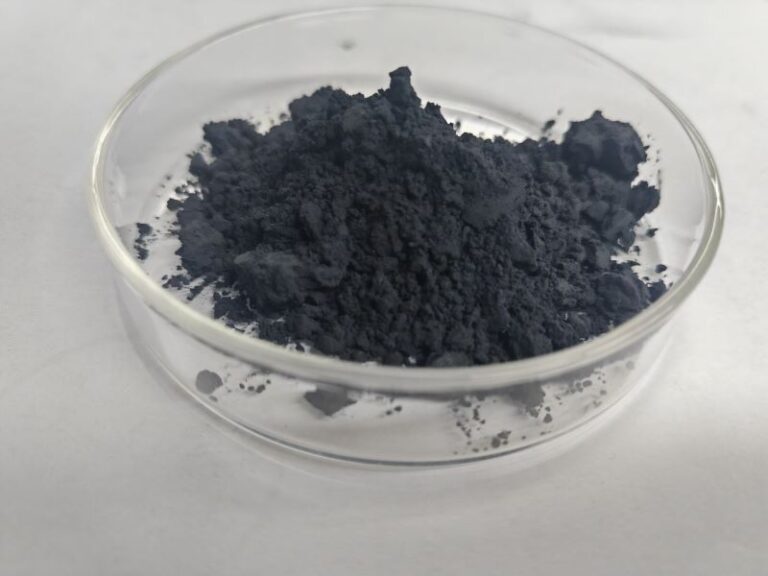
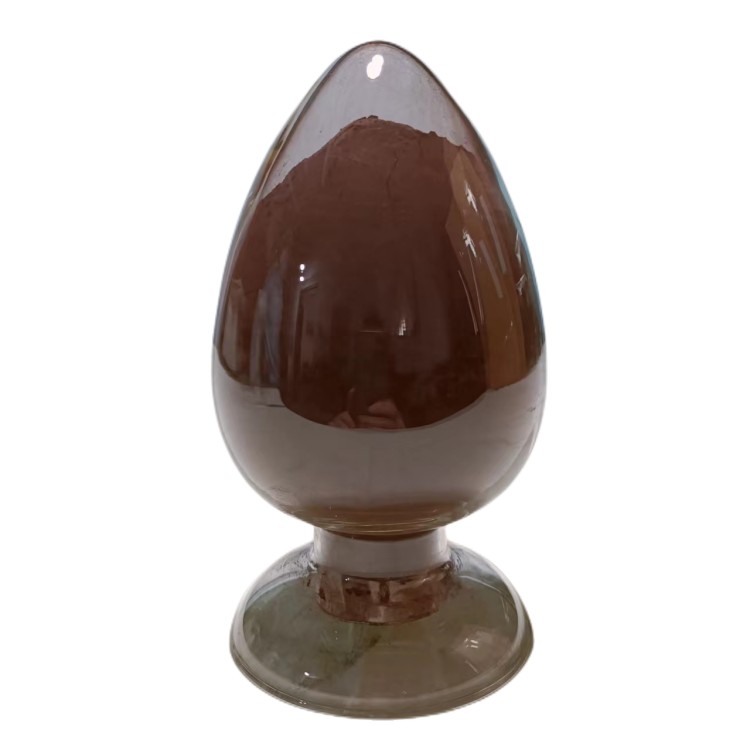
Amorphous boron powder has higher pure boron content and finer particle size. It disperses evenly inside resin, rubber and coating systems, suitable for flexible shielding materials, shielding paints, neutron detector casings and portable radiation shielding devices. Compared with boron carbide, boron powder offers easier formulation adjustment and higher shielding efficiency per unit mass, ideal for lightweight, thin‑layer shielding where weight control is critical. It is widely used in aerospace radiation shielding, oil well pulsed neutron tools and medical neutron protection accessories.
Strict quality control is implemented for both grades. We adjust particle size distribution and boron‑10 enrichment ratio according to customer requirements, while limiting harmful impurities. Every batch comes with complete COA reports for boron content, particle size and impurity testing. These two boron materials complement each other: boron carbide serves heavy‑duty permanent shielding, while boron powder supports flexible composite shielding. They provide reliable, cost‑effective neutron absorption solutions for nuclear engineering and radiation protection industries worldwide.